+027 555 7080

info@immunehealth.co.nz

Get Free Delivery on Orders Over $150

Looking for a Specific Product?

Cart 0 $0.00

Our Wellness Services

Immune Support

Your content goes here. Edit or remove this text inline.

Get our Immune Protocol

What supplements should I take and what's the right dose?

Immune Support Supplements

Your content goes here. Edit or remove this text inline.

VIEW ALL OUR WELLNESS SERVICES

Shop Our Products

VIBAN

Our best seller and Proprietary Blend

BETA FACTOR

Goes hand in hand with VIBAN

Glutathione

Your content goes here. Edit or remove this text inline.

BROWSE ALL OUR PRODUCTS

More of us

Customer Reviews

Your content goes here. Edit or remove this text inline.

Good Stuff We do!

We help you build up your Immune System.

More From Us...

Your content goes here. Edit or remove this text inline.

EXPLORE CUSTOMERS STORIES

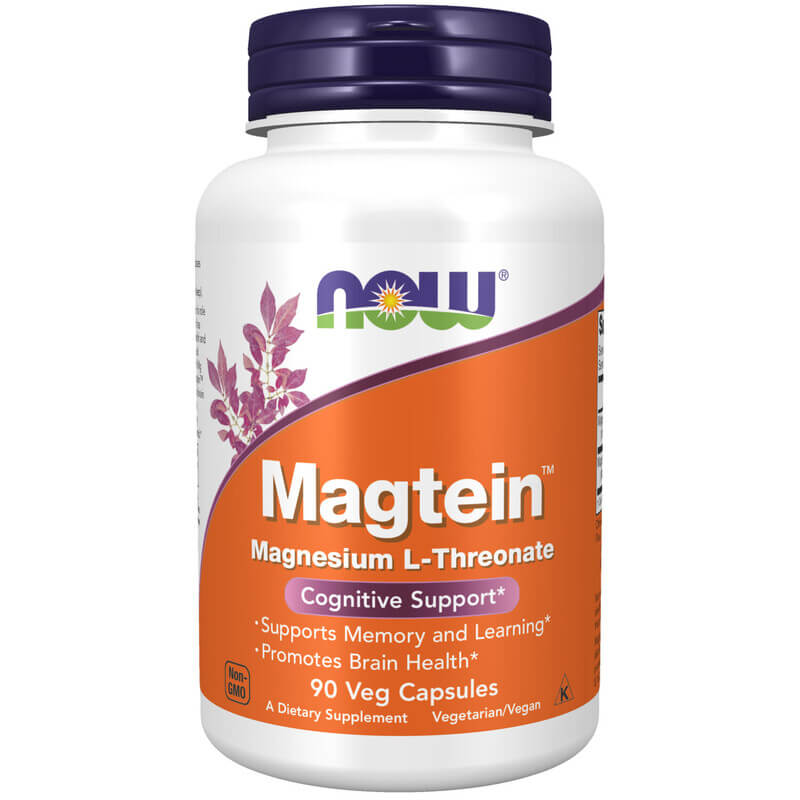
Magnesium L-Threonate

$100.00

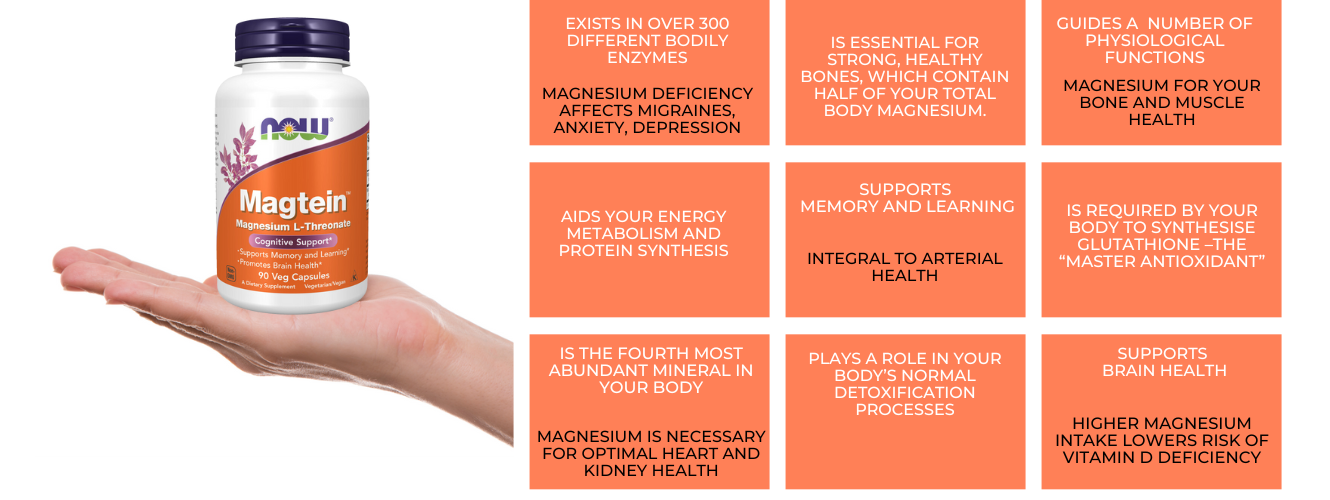
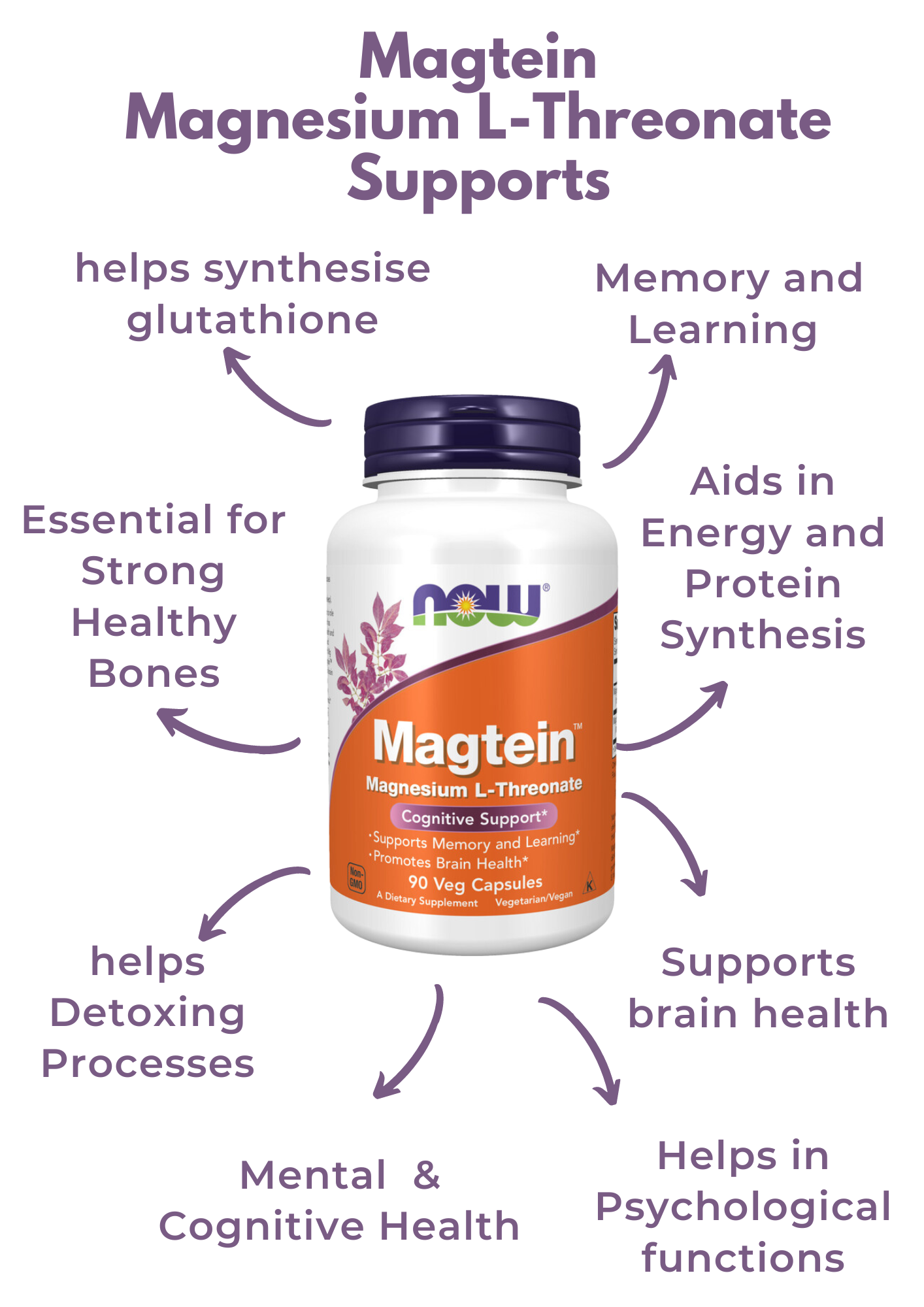
  • Is the fourth most abundant mineral in your body.
  • Exists in over 300 different bodily enzymes.
  • Is essential for strong, healthy bones, which contain half of your total body magnesium.
  • Plays a role in your body’s normal detoxification processes.
  • Aids your energy metabolism and protein synthesis.
  • Helps guide a large number of physiological functions.
  • Is required by your body to synthesize glutathione –the “master antioxidant”.
  • Is especially valuable for supporting brain health.

In stock

Free Delivery on all orders over $250

Benefits

Want to know More?

Description

Experience Clear Thinking and Quality Sleep with this Powerful Essential Nutrient

Backed by extensive research showing exceptional absorption and the ability to cross your blood-brain barrier, our unique magnesium formula helps keep your brain in optimal condition.

At A Glance

  • Magnesium L-Threonate provides unsurpassed support for healthy brain function, promoting clearer, calmer thinking and more restful sleep.
  • Our formula delivers 2,000 mg of patented Magtein® Magnesium L-Threonate, which has higher absorption and is able to penetrate cell membranes as well as cross your blood-brain barrier.
  • Unlike other forms of magnesium, which can cause gastrointestinal discomfort and loose stools, Magnesium L-Threonate does not act as a laxative and can actually help to reduce gastrointestinal (GI) discomfort.

Let’s look at where it comes from and what you can do to enjoy its benefits.

The Mineral Deficiency That Can Elude Even Doctors

As you get older, your body becomes less efficient at absorbing important vitamins and minerals.

So even if you’re eating a healthy diet rich in fresh organic vegetables, you may still come up short on some important nutrients.

One of those nutrients is magnesium. It plays a key role in your health. When you’re low in magnesium, your brain struggles to think clearly while your body struggles to sleep well.*

The number of NZers potentially not getting enough of this nutrient is high, especially among people who are middle-aged and older. Some experts believe it may be as high as 80%.

Figuring out whether you’re one of the people who needs more magnesium can be tricky. Standard blood tests aren’t much good at finding the answer because very little of it actually resides in your bloodstream.

Here’s how it works…

When your body becomes deficient in magnesium, it pulls what’s stored in your red blood cells and deposits it into the serum of your blood.

So the standard serum magnesium blood test may show your levels as normal even though your red blood cells’ stores of magnesium are depleted. And this is a problem because your body needs this mineral for many vital processes.

For that reason, the red blood cell (RBC) magnesium test is a great way to measure your levels and check for signs of a potential deficiency.

Why Magnesium is Essential to Vibrant Health

Magnesium is a nutrient you don’t want to run low on. It plays one of the most important roles out of all the nutrients that your body needs.

Here are some key reasons why it’s so important to pay special attention to your magnesium levels, as the mineral:

  • Is the fourth most abundant mineral in your body.
  • Exists in over 300 different bodily enzymes.
  • Is essential for strong, healthy bones, which contain half of your total body magnesium.
  • Plays a role in your body’s normal detoxification processes.
  • Aids your energy metabolism and protein synthesis.
  • Helps guide a large number of physiological functions.
  • Is required by your body to synthesize glutathione –the “master antioxidant”.
  • Is especially valuable for supporting brain health.

Now that we’ve talked about why magnesium is so important, let’s look at some signs that may tell you that your body needs more.

Some early signs of a potential lack of magnesium include:

  • Loss of appetite and headache.
  • Nausea and vomiting.
  • Fatigue and weakness.

Of course, these symptoms are pretty general and can result from a variety of different conditions. If you suspect you may be low in magnesium, your first course of action should be to test it.

Let’s now talk about some steps you can take to help make sure you don’t end up deficient in magnesium.

First, Consider Your Diet

There are a number of foods that supply plentiful magnesium. You should always be looking for ways to get these foods in your diet.

Organic green vegetables, such as spinach, kale and artichokes, are excellent choices because the center of the chlorophyll molecule (which provides green veggies their brilliant color) contains magnesium.

Chlorophyll is like a plant’s version of our hemoglobin. The two share a similar structure, but chlorophyll has magnesium plugged into the middle instead of iron.

Other convenient sources of magnesium include pumpkin seeds, almonds and avocados.

To get healthful amounts of magnesium, focus on eating a variety of foods that contain high levels of the mineral. Juicing leafy green vegetables is also an excellent strategy for obtaining magnesium from food.

Here’s a handy chart of specific foods that contain abundant amounts of magnesium for every 100 grams (just over 3 oz.) you consume:

Food (100 grams) Magnesium Content (mg)
Dried agar seaweed 770 mg
Dried cilantro 694 mg
Dried pumpkin seeds 535 mg
Unsweetened dry cocoa powder 499 mg
Dried basil 422 mg
Flaxseed 392 mg
Cumin seed (spice) 366 mg
Dried brazil nuts 376 mg
Freeze dried parsley 372 mg
Almond butter 303 mg
Roasted cashew nuts 273 mg
Sweet whey powder 176 mg
Freeze dried leeks 156 mg
Raw scotch kale 88 mg
Spinach 79 mg

Why You May Benefit from Supplementing

While it may be possible to maintain healthy levels of magnesium by regularly consuming foods rich in the mineral (such as those foods in the chart above), there are certain factors that may prevent you from getting enough:

  • Time – As you get older, your body’s ability to absorb magnesium decreases.
  • Types of food you eat – If you consume mostly non-organic foods, their magnesium levels may be depleted due to chemical fertilizers and pesticides. Levels of magnesium in the soil determine what’s in the food.
  • Practicality – For various reasons, such as availability or personal preferences, it may not be possible for you to consume enough magnesium-rich foods.

If any of these factors apply to you, and you want to be proactive about maintaining healthy levels of magnesium, you might want to consider a high-quality supplement.

But “high-quality” is the key when deciding on a magnesium supplement. There’s such a wide variety of options available to you. And it can be confusing trying to decide which is best.

On top of that, certain supplement combinations affect the absorption and bioavailability of the magnesium, and you don’t want to waste time or money on something that won’t give you the benefits you’re looking for.

There are a few things you need to know when deciding which magnesium will provide the best solution for your needs.

What to Look for in a High-Quality Magnesium Supplement

When searching for a high-quality magnesium supplement, there’s such a wide variety available that it can be confusing as to which one is really best.

For a high-quality magnesium supplement, make sure it:

  • Avoids magnesium stearate – Magnesium stearate is not a source of magnesium. Rather, it is an unnecessary processing aid with no nutritive value, so you should avoid it.
  • Delivers a high-absorption formula – It’s not just about the amount of magnesium found in the supplement. The formula must have high-absorption capabilities so your body can actually use the magnesium.
  • Incorporates high-penetration characteristics – Absorption of magnesium is crucial but it’s also important that the nutrient is capable of penetrating key tissues and cells to be effective.
  • Helps avoid potential discomfort – Many magnesium products are used as laxatives and antacids. When looking for a magnesium supplement to support clear thinking, restful sleep and vibrant health, you want to avoid any that are specific to stool-softening as well as so-called indigestion aids.
  • Provides practical, easy-to-take servings – Supplement servings must be practical to fit into anyone’s busy schedule. Serving size should be straightforward with well-defined guidelines.

Even more confusing is the fact that there’s no such thing as a 100% magnesium supplement. Magnesium must be bound to another ion, and that substance can affect magnesium’s absorption and bioavailability.

Be sure to familiarize yourself with the different types of magnesium supplements available, and know how they compare to one another.

Magnesium glycinate A chelated form of magnesium that tends to provide effective levels of absorption and bioavailability.
Magnesium oxide A non-chelated form of magnesium bound to an organic acid or fatty acid. Contains up to 60% elemental magnesium and has stool-softening properties.
Magnesium chloride/Magnesium lactate Contains only about 12% elemental magnesium but tends to have better absorption capabilities than magnesium oxide, which has five times the magnesium.
Magnesium sulfate/Magnesium hydroxide These are typically used as laxatives. Milk of Magnesia is an example of this type of magnesium. Since magnesium hydroxide can have up to 42% elemental magnesium, caution is required to avoid taking too much.
Magnesium carbonate This form of magnesium has antacid properties and can contain from 29 to 45% elemental magnesium.
Magnesium taurate This contains a combination of magnesium and taurine (an amino acid) that together may provide a calming effect on the body and mind.
Magnesium citrate This is a form of magnesium with citric acid which has laxative properties. This can contain up to 16% elemental magnesium.
Magnesium L-Threonate This newer type of magnesium supplement has shown great promise in absorption as well as in potential tissue and cell membrane penetration.

Confused About Elemental Magnesium? You’re Not Alone

 Possibly the most confusing thing about magnesium supplements is the amount of magnesium in each product.

“Elemental” magnesium refers to the actual amount of magnesium in each supplement form. However, this is only part of the story.

It really depends on what you want from your magnesium supplement…

Just because the supplement contains more elemental magnesium doesn’t necessarily mean your body can absorb it. Plus, there are some types of magnesium supplements that provide good absorption but also have stool-softening properties that many people prefer to avoid.

Magnesium L-Threonate contains the optimal balance of elemental magnesium, as it is formulated for absorption and not as a laxative.*

Absorption is the key when it comes to this potent mineral that offers exceptional support for your brain, detoxification, energy production and cellular health.*

For every three-capsule serving, you receive a full 2,000 mg of Magtein® Magnesium L-Threonate, which includes 145 mg of elemental magnesium.

Why Magtein® Magnesium L-Threonate is a Superior Form of Magnesium

Magnesium plays an important role in many of your brain’s functions. However, most forms of magnesium have low levels of brain bioavailability.

The unique compound called Magtein® was discovered by a group of scientists, including a Nobel Prize laureate, from Massachusetts Institute of Technology (MIT).

Magtein® is the only magnesium compound that has been shown to effectively raise the brain’s magnesium levels.*

While other common magnesium compounds generally do not improve brain magnesium levels, studies show that higher magnesium concentrations in the brain and enhanced cognitive support occur with Magtein®.*

How Magnesium L-Threonate Exceeds Others on the Market

For a high-quality magnesium supplement, you won’t find anything more effective than Magnesium L-Threonate.* Here’s a chart explaining why this is such an exceptional formula and how it exceeds others on the market. We’ll go through the points on the checklist we discussed before:

Checklist Requirements
Completely avoids magnesium stearate? Yes – This compound is not part of the formula whatsoever. It’s just not a healthy substance you should be putting in your body. In addition, this formula does not contain any genetically modified organisms (GMOs).
Delivers a high-absorption formula? Yes – Magnesium L-Threonate (Magtein®) stands out from other magnesium supplements for its breakthrough absorption characteristics that are demonstrated through extensive research.*
Incorporates high-penetration characteristics? Yes – One area where other forms of magnesium supplements tend to fall short is penetration of tissues and cells. Animal studies have shown that Magnesium L-Threonate is able to uniquely cross the blood-brain barrier and penetrate cell membranes.*
Helps manage potential discomfort? Yes – Many forms of magnesium can cause unpleasant gastrointestinal (GI) discomfort. In fact as you already know, some magnesium products have the primary purpose of softening stool and acting as a laxative. This is not the case with Magnesium L-Threonate. It supports your brain health without causing trouble for your digestive system.*
Provides practical, easy-to-take servings? Yes – Food is not required for absorption, so taking it with meals is not necessary. It’s always a smart choice to double-check and consult with a healthcare professional when taking any supplement. With our formula, you only need three capsules instead of four. You can take all three at night, or take two at lunch and one at bedtime with plenty of water. It’s easy to take.

Magnesium L-Threonate is an exciting breakthrough in magnesium supplements. If you’re looking for a truly high-quality magnesium supplement to add to your healthy diet, this one will exceed your expectations, too.    

We all want to live life to the fullest. Foggy thinking and poor quality sleep interfere with that.

With soil depletion contributing to lower levels of nutrients in even the healthiest foods, you have to be proactive in making sure your body gets the essential nutrients it needs to maintain health and vigor.

And the important role magnesium plays in your body calls for special attention.

When you have low levels of magnesium, your cells aren’t getting what they need to function their best. Your brain can struggle to process information. Your body can struggle to relax sufficiently for healthy sleep.

With Magnesium L-Threonate, you get a high-quality magnesium supplement with superb absorption.* You get one backed up by extensive research suggesting that it crosses the blood-brain barrier and penetrates cell membranes, so your body can take full advantage of the benefits that balanced magnesium levels provide.*

It’s an easy, practical way to boost your intake and balance your levels of this vital mineral, and it’s a simple “add” to support your overall healthy lifestyle strategy.

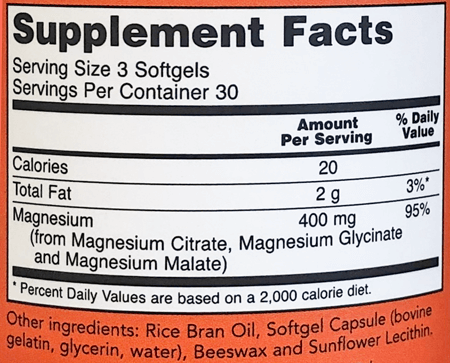
Ingredients
Each Veg Capsule provides:
 
Magnesium (from 2000mg Magtein Magnesium L-Threonate) 144 mg

Other Ingredients: Cellulose (capsule), Rice Flour, Magnesium Stearate (vegetable source) and Silica.

Not manufactured with wheat, gluten, soy, milk, egg, fish, shellfish or tree nut ingredients. Produced in a GMP facility that processes other ingredients containing these allergens

Check the Label

Ingredients (per 3 veg caps):

Magnesium (from Magtein™ Magnesium L-Threonate) 144 mg

Magtein™   2 g (2,000 mg)


How to Use

Suggested Use:

Take 3 capsules daily in divided doses (take 1 capsule during the daytime, preferably in mid-afternoon and take 2 capsules one hour before sleep).

Caution: For adults only. Like other magnesium products, Magtein™ may induce sleepiness, drowsiness or headaches at first. Reduce the dosage, consult a doctor, or discontinue use if conditions persist for more than one week. Consult a physician if pregnant/nursing, taking medication, or have a medical condition. Keep out of reach of children.


What our Clients Say

I changed to Magnesium L-Threonate after experiencing gastro problems with other forms of Magnesium. Really like it.

Angela Golding

Let's Reset Your Immune System

It’s time to get your body healthy again. Let us help you get your immune system strong and learn what supplements to take, the correct dosage and what time to take them.

Learn More

Immune Health Kits For Kids

Immune Boosting Super Formulas for Kids

Our Children’s health is more important than ever, talk with us and get you on the right track with your Family’s Health.

Learn More

Free Shipping

On Orders over $250

Frequently Asked Questions

Why we love this supplement

I take Magnesium L-Threonate three times a day along with VitD3.

I take 3 capsules daily in divided doses (take 1 capsule during the daytime, preferably in mid-afternoon and take 2 capsules one hour before sleep).

For oral supplementation, my personal preference is Magnesium L-Threonate, as it appears to be the most efficient at penetrating cell membranes, including your mitochondria and blood-brain barrier

How It works?

It’s estimated that more than half the NZ population may not be consuming enough magnesium. The primary role of minerals is to act as cofactors for enzymes. They literally are the shields for oxidative stress. They help us produce and activate ATP, help us produce DNA and protein, so literally every function in the body is dependent, in some way, on minerals.

Your levels of powerful antioxidants like glutathione are directly dependent on your magnesium status.

If your magnesium levels are low, it would certainly be wise to supplement.

What is the right dose for me?

400 -600 mg/day

Optimal levels are closer to the 600 mg/day level. 

When is it best to take?

Magnesium should be taken divided across the day with meals.

Learn More about Magnesium
  • DR mercola atricle
  • Magnesium is required for the activation of vitamin D, and deficiency may increase your risk of anxiety, depression, heart disease, migraines, osteoporosis and more
  • Statistics show that at least 50% of the American population are deficient in magnesium; a simple blood panel may not reveal magnesium deficiency as only 1% is available in your blood and the rest is stored in your bones and muscle
  • Research suggests magnesium is necessary for optimal heart and kidney health as it protects your arteries from calcification; it has also shown effectiveness in treatment or prevention of migraines, anxiety and depression
  • Seek out organically grown, whole foods rich in magnesium, such as spinach, broccoli and avocado; if you choose to supplement, consider magnesium threonate as it appears to be the most efficient at penetrating cell membrane


As it is also required for the activation of vitamin D, deficiency may hamper your ability to convert vitamin D from sun exposure and/or oral supplementation. Unfortunately, deficiency is common and research shows even subclinical deficiencies may jeopardize your health.

If you’ve recently had a blood panel drawn, you may assume it would reveal a magnesium deficiency. However, only 1% of magnesium is distributed in your blood, which means a blood test is not useful to determine whether you are deficient at the cellular level.3 Recent research confirms optimal levels of magnesium are necessary for your heart4 and kidney health.5

Magnesium Deficiency Affects the Vast Majority

Statistics show that at least 50% of Americans are deficient in magnesium, with some estimations going as high as 75% overall, and as many as 84% of postmenopausal women being deficient in it.6,7,8 Other scientists believe the deficiency affects the vast majority of individuals based on current dietary habits, saying:9

“[B]ecause of chronic diseases, medications, decreases in food crop magnesium contents and the availability of refined and processed foods, the vast majority of people in modern societies are at risk for magnesium deficiency.”

The recommended daily allowances (RDA) for magnesium are based on age, gender and pregnancy status.10 Although it may be difficult to pinpoint the exact percentage of individuals who suffer from magnesium deficiency, data do demonstrate subclinical levels of magnesium contribute to a number of widespread health problems.

The number who suffer from deficiency increases with an aging population as the elderly tend to consume less and don’t efficiently absorb magnesium from what is eaten.11

Digestive disorders, such as Crohn’s disease and celiac, may also affect magnesium absorption.12 Individuals who suffer from Type 2 diabetes13 or use diuretics may lose more magnesium through their urine.14

As the number of people suffering Type 2 diabetes is growing, and the age at which the condition arises is getting younger,15 the number who are also at risk for magnesium deficiency is also rising. Type 2 diabetes is associated with a number of health conditions also linked to magnesium deficiency, including heart disease and kidney disease.

Magnesium Integral to Arterial Health

Magnesium is required for energy production and is a cofactor in more than 300 enzyme systems that regulate biochemical reactions, including muscle and nerve function, and blood pressure regulation.16 Magnesium also helps regulate your blood vessels and helps prevent calcification known as coronary artery calcification (CAC).

CAC is an indicator of advanced atherosclerosis, a common predictor of cardiovascular disease and chronic kidney disease.17 In 1948, researchers undertook a nearly 70-year-long heart study under the direction of the National Heart Institute.

The Framingham Heart Study18 became a joint project of the National Heart, Lung and Blood Institute and Boston University with the objective to identify factors contributing to cardiovascular disease.

Magnesium Is Necessary for Optimal Heart and Kidney Health

Researchers19 recently examined data of magnesium intake in those free of cardiovascular disease at the beginning of the Framingham Heart Study and followed them over a period of 11 years.

They found a strong association between higher self-reported magnesium intake and lower calcification in the coronary arteries, which translates to lower risk of atherosclerosis and cardiovascular disease.

The researchers believe this may play a role in magnesium’s protective association in stroke and fatal coronary artery disease. The data also revealed a lower risk of abdominal aortic calcification,20 also associated with cardiovascular disease.21 A second study22 analyzed the associated risk of hypomagnesemia with diabetes and hypertension, which can contribute to a decline in kidney function.

The hypothesis was that subclinical levels contributed to a decline in glomerular filtration rate. Researchers engaged over 2,000 participants from the Dallas Heart Study. During a median follow-up of seven years, researchers evaluated glomerular filtration rate, biochemical parameters, C-reactive proteins and the prevalence of hypertension and diabetes.

The results led the researchers to conclude subclinical levels of magnesium were independently associated with decline in glomerular filtration rates indicating declining kidney function.23

Magnesium is a natural calcium antagonist and has several effects on vasodilation, regulation and changes in metabolism enhancing atherosclerotic changes in arterial stiffness, likely in part contributing to heart and kidney disease.24

Magnesium for Your Bone and Muscle Health

Magnesium contributes to the structural development of bone, and adult bone contains nearly 60% of the total magnesium in your body.25 As it is involved in bone formation, subclinical levels may contribute to the development of osteoporosis.

Research26 has found women with osteoporosis have lower serum magnesium levels than those without osteoporosis or osteopenia. Magnesium is also fundamental for physical performance.27 Just as it contributes to heart muscle contraction, skeletal muscles also require magnesium to relax muscle cramping and it is a cornerstone for circulatory health.

Magnesium is also important in energy regulation and plays a role in oxygen delivery and uptake in muscle. The relationship between magnesium and circulation also affects your brain. Dr. Maiken Nedergaard, co-director of the University of Rochester Center for Translational Neuromedicine, commented on the energy supply needed by the brain:28

“Our brains require a tremendous amount of energy and in order to meet this demand the flow of blood must be precisely choreographed to ensure that oxygen is being delivered where it is needed and when it is needed. This study demonstrates that microvessels in the brain play a key role in reacting to spikes in demand and accelerating the flow of blood to respond to neuronal activity.”

Magnesium Deficiency Affects Migraines, Anxiety, Depression

Although the brain is just 2% of your body weight, it uses nearly 20% of your oxygen supply in metabolic processes,29 remaining remarkably constant despite changes in mental and motor activities. Magnesium facilitates processing in the neural networks and is used to keep the blood-brain barrier healthy.30

Magnesium has proven to be essential for learning, concentration and memory and enables the brain’s plasticity, or its ability to adapt to challenges.31 Additionally, maintaining optimal levels of magnesium has proven effective in reducing the number of attacks and the number of days per month you may experience a migraine.32

In a comparison against valproate sodium, a medication used to help prevent migraine headache attacks, a randomized, controlled, double-blind study indicated 500 milligrams (mgs) of magnesium per day was an effective prophylaxis, similar to the effectiveness experienced by those taking valproate sodium, without side effects.

Anxiety disorders affect up to 13% of the population in the U.S.33 The condition may be debilitating, and like other mental disorders, it exists on a spectrum. Low levels of magnesium have been associated with increasing levels of noradrenaline, leading to a higher heart rate and blood pressure.

Conversely, optimal levels of magnesium may decrease the release of adrenocorticotropic hormone (ACTH), responsible for the controlled release of cortisol. Essentially, this means the release of fewer stress hormones and the modulation of the ones released.34

Optimal levels of dietary intake are also inversely associated with anxiety and depression.35 In an outpatient clinic treating 126 adults with mild to moderate symptoms, researcher found supplementation with magnesium chloride for six weeks resulted in clinically significant improvements in depression and anxiety without side effects.36

Higher Magnesium Intake Lowers Risk of Vitamin D Deficiency

Vitamin D levels below 20 nanograms per milliliter (ng/mL) or 50 nanomoles per liter (nmol/L) have repeatedly been shown to raise your risk of a number of health conditions, including depression and Type 2 diabetes. According to the most recent research, a vitamin D level between 60 and 80 ng/mL (150 and 200 nmol/L) appears to offer the greatest protection against cancer and other chronic diseases.37

Adequate vitamin D levels may also help prevent or treat dry eye syndrome,38 macular degeneration,39 neurological diseases,40 fractures41 and obesity.42 Adequate levels of vitamin D also lower your mortality risk associated with heart disease,43 and may lower your risk of mortality from all causes.44

However, without adequate levels of magnesium, any vitamin D supplementation may be ineffective,45 as magnesium is required for the activation of vitamin D, and vitamin D may trigger vascular calcification if magnesium and vitamin K2 levels are not optimal.46 Higher levels of magnesium may actually lower your risk of vitamin D deficiency by allowing for the activation of more vitamin D.47

Magnesium — Supplementation and Natural Sources

One of the biggest culprits behind deficiencies is processed foods, which unfortunately has become a staple in the American diet. Some of the magnesium rich foods you may add to your diet include:48,49

Spinach Swiss chard
Avocado Papaya
Broccoli Bok Choy
Beet greens Turnip greens
Seeds and nuts, such as pumpkin seeds, sesame seeds, cashews and raw almonds Fatty fishes like wild-caught Alaskan salmon
Dried seaweed or agar Brussels sprouts

An interesting number of factors may affect your ability to absorb magnesium from your foods. Herbicides like glyphosate act as agricultural chelators, effectively obstructing the uptake of minerals from the soil in many foods grown today. As a result, it may be quite difficult to find truly magnesium-rich foods. Cooking and processing further depletes magnesium.

Meanwhile, certain foods may actually influence your body’s absorption of magnesium. High levels of sugar intake may trigger excretion of magnesium through your kidneys, “resulting in a net loss,” according to Dr. Danine Fruge, associate medical director at the Pritikin Longevity Center in Florida.50

When it comes to oral supplementation, my personal preference is magnesium threonate, as it appears to be the most efficient at penetrating cell membranes, including your mitochondria and blood-brain barrier. Other effective ways to boost your magnesium level include:

Taking Epsom salt (magnesium sulfate) baths, as the magnesium will effectively absorb through your skin.

Using a topical solution — I prepare a supersaturated solution of Epsom salt by dissolving 7 tablespoons of the salt into 6 ounces of water and heating it until all the salt has dissolved. I pour it into a dropper bottle and then apply it to my skin and rub fresh aloe leaves over it to dissolve it.

This is an easy and inexpensive way to increase your magnesium and will allow you to get higher dosages into your body without having to deal with its laxative effects.

Magnesium can be taken with or without food. If you’re also taking calcium, take them together. If you exercise regularly, consider taking your calcium and magnesium in a ratio of one part calcium to two parts magnesium with your pre-workout meal.

While the ideal ratio of magnesium to calcium is thought to be 1-to-1, most people get far more calcium than magnesium from their diet, so your need for supplemental magnesium may be two to three times greater than calcium.

How much Magnesium is in this product?

For every three-capsule serving, you receive 2,000 mg of Magtein® Magnesium L-Threonate. This includes 144 mg of elemental magnesium.

How does it compare to the amounts found in other Magnesium products?

While the amount of elemental magnesium may be lower than some other products on the market, our product is formulated for optimal brain absorption. This means that your body receives greater benefits from less magnesium. It’s a more efficient delivery system.

How does it compare to the amounts found in other Magnesium products?

While the amount of elemental magnesium may be lower than some other products on the market, our product is formulated for optimal brain absorption. This means that your body receives greater benefits from less magnesium. It’s a more efficient delivery system.

Did you know?

When English chemist Sir Humphry Davy first isolated this powerful mineral in 1808, he couldn’t have suspected the significant role it plays in human health.

Today, we know that this nutrient is the fourth most abundant mineral in your body. Your bones need it. Your muscles need it. And perhaps most important of all, your brain needs it.

If you’ve ever spent a day at the beach,  you know how the ocean can make you feel totally relaxed. By the time you carry your towel and beach bag away at the end of the day, you feel lighter, clearer, calmer.

And then, you sleep like a rock.

That’s partially because ocean water is full of this essential mineral. In fact, of the 47 minerals in ocean water, this one is the third most abundant.

Your body can absorb it through the skin. And that’s why you feel calmer and clearer after a day at the beach. It’s why you sleep more deeply. These are two key benefits you get when you have healthy amounts of magnesium in your system.

Fortunately, you don’t have to spend a day at the beach to experience the benefits of this nutrient. You can also get it from food.

What is Magnesium?

Magnesium is the fourth most abundant element in your body and one of the seven essential minerals we can’t live without. It’s necessary for the healthy functioning of most cells, but especially your heart, kidneys and muscles. Low levels of magnesium impede cellular metabolic function and deteriorate mitochondrial function.

What is Magtein?

What is Magtein?

Magnesium (Mg) is an essential mineral best known for its role in bone and nervous system function.* Recent research has demonstrated that it is also critical for normal brain health and normal cognitive function by maintaining the density and stability of neuronal synapses.* However, most forms of Mg are not easily absorbed into the nervous system.* Magtein™ is a patented form of Mg that readily crosses the blood-brain barrier for utilization in the brain. Laboratory studies indicate that Magtein™ supports brain health and may facilitate learning and memory, as well as a relaxed mood.

Is Magtein a laxative? How does the Magnesium in this product compare?

Unlike other forms of Magnesium, which can cause gastrointestinal discomfort and loose stools, Magnesium L-Threonate does not act as a laxative and can actually help reduce gastrintestinal (GI) discomfort

What about GMO, Vegan, Gluten-free, Dairy-free?

DAIRY FREE – EGG FREE – MADE W/O GLUTEN – NON-GMO – NUT FREE – SOY FREE – VEGAN / VEGETARIAN

Who is NOW?

Elwood Richard founded NOW in 1968 in Chicago. Today NOW is still owned by the Richard family and has grown to become one of the natural product industry’s most recognizable brands, providing one of the most extensive lines of natural products available. NOW has always remained true to Elwood’s original vision – to meet consumer need for health foods by offering affordable, high quality natural products.

Where are they made?

MADE IN THE USA

Do they use Artificial Ingredients?

NO WAY. They avoid artificial ingredients and unnecessary fillers, binders, or colourings.

My cart
? Only $150.00 away from free delivery to your place
Your cart is empty.

Looks like you haven't made a choice yet.